Next-Generation Equipment Technologies in Commercial Kitchens
What do next-generation commercial kitchen equipment bring to businesses? Discover smart cooking systems, energy efficiency and modern kitchen technologies.
4 min read İstanbul Profesyonel
Next-Generation Equipment Technologies in Commercial Kitchens
In professional kitchens, work no longer depends solely on the experience of a good chef. The technology of the equipment used also directly affects the speed and efficiency of the kitchen and the quality of the dishes prepared.
Think of a restaurant's busiest service hours. Dozens of orders are being prepared at the same time, the ovens are running, the refrigerators are constantly being opened and closed, and every plate is expected to go out on time.
In this kind of rush, the right kitchen equipment makes businesses' daily work considerably easier.
How Are Commercial Kitchen Technologies Changing?
In the past, durability and capacity were the priorities when choosing equipment for professional kitchens. Today, features such as energy consumption, precise temperature control, ease of use and automation have been added to them.
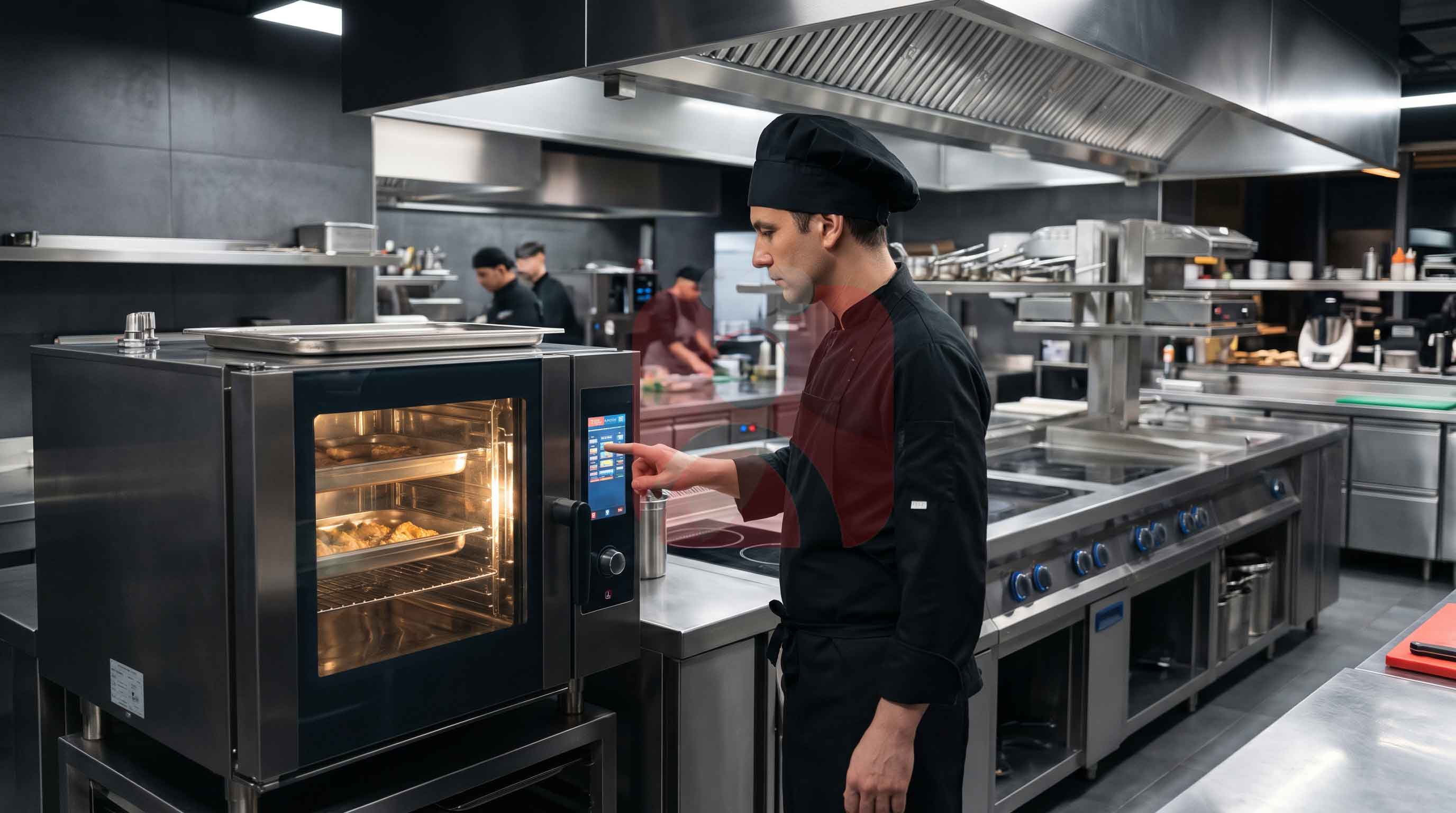
A modern commercial oven does more than just cook food. It can control temperature and humidity, store different cooking programs in its memory and help the same recipe be prepared again with similar results.
These developments offer important advantages especially for busy restaurants, hotels and institutional meal production facilities.
Smart Cooking Systems
One of the most notable features of next-generation professional cooking equipment is that it makes processes more controlled.
Combi ovens, for example, make it possible to apply different cooking methods by combining hot air and steam technologies.
Thanks to programmable cooking options, staff do not have to set the temperature and time for specific recipes over and over again.
These features can both reduce the workload in the kitchen and help ensure consistency in product quality.
However, no matter how advanced technology becomes, choosing the right cooking program and following food safety rules are still very important.
Induction Technology and Energy Efficiency
In professional kitchens, energy consumption is one of the significant items of operating costs.
For this reason, induction cooking systems are attracting more and more interest.
Induction technology heats a suitable cooking vessel directly through an electromagnetic field. Unlike conventional systems, a significant portion of the energy is transferred directly to the pot or pan.
This can provide advantages such as fast heating, precise temperature adjustment and less waste heat released into the kitchen environment.
Of course, there is no single right cooking system for every kitchen. The business's menu, production capacity and existing energy infrastructure are decisive in the choice of equipment.
Next-Generation Refrigeration Systems
Technological developments in professional kitchens are not limited to cooking equipment.
Refrigeration systems are also evolving with new features that support food safety and energy efficiency.
Digital temperature displays, electronic control systems and the remote monitoring features found on some models make it easier to track refrigeration conditions.
Especially in businesses with high product turnover, noticing temperature changes in time can help prevent possible product losses.
That said, choosing the right capacity, regular maintenance and proper product placement are as important for refrigeration performance as technological features.
What Does Automation Make Easier in the Kitchen?
When automation is mentioned in professional kitchens, robotic systems should not be the only thing that comes to mind.
Programmable dishwashers, automatic dosing systems, digitally controlled cooking equipment and temperature monitoring solutions are also part of kitchen automation.
These technologies allow repetitive tasks to be carried out in a more standardized way.
For example, using the appropriate wash program on a professional dishwasher helps manage the cleaning process more consistently.
Similarly, digitally controlled cooking equipment can reduce the need for staff to make manual adjustments for every task.
The real goal here is not to eliminate human labor entirely, but to enable employees to use their time more efficiently.
Is Every New Technology Necessary for Every Kitchen?
Although next-generation equipment offers many advantages, the most expensive or most advanced appliance may not always be the right choice.
The needs of a hotel serving hundreds of people a day are not the same as the needs of a small restaurant.
When choosing equipment, daily production capacity, menu variety, kitchen space, energy infrastructure and maintenance requirements should be considered together.
In addition to the purchase price, the appliance's long-term energy consumption, service options and service life should also be taken into account.
The right equipment gains value not only through its technological features but through the contribution it makes to the business's daily work routine.
The Professional Kitchen of the Future
In the development of commercial kitchen technologies, energy efficiency, digital control and ease of use are becoming increasingly important.
Connected appliances, remote monitoring systems and more precise automation solutions continue to change the way professional kitchens work.
However, the foundation of a successful kitchen is still proper planning, quality equipment and experienced staff.
Technology shows its real benefit when considered together with these three elements.
Conclusion
In professional kitchens, next-generation equipment technologies offer important opportunities to simplify production processes, manage energy use better and support service quality.
This requires identifying the business's needs correctly and choosing technology not just because it is new, but because it meets a real need.
As İstanbul Profesyonel, with our commercial kitchen equipment and design solutions, we contribute to creating kitchens suited to the way businesses work and their production needs.
Because what matters in a professional kitchen is not just having new technology, but using that technology in the right place.
Last updated